
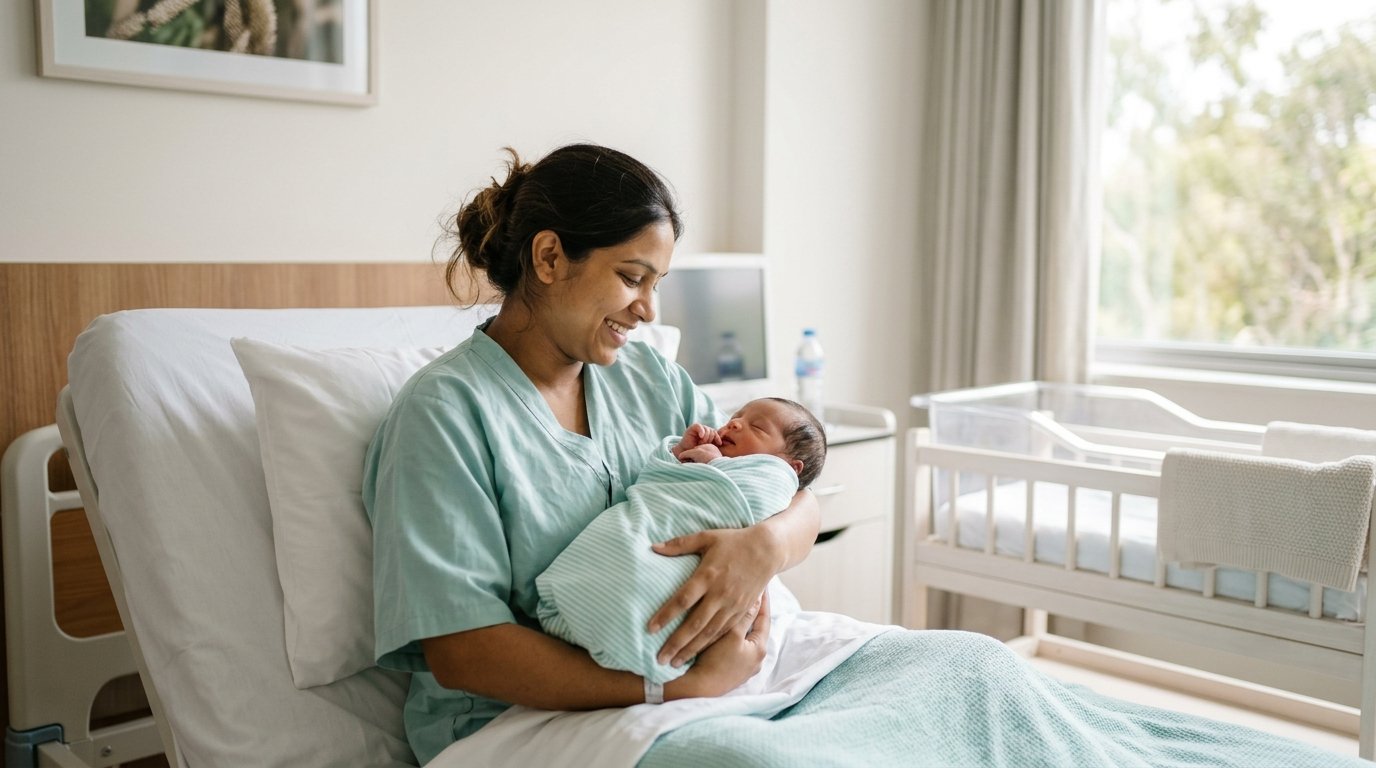
If you or someone in your family is expecting a baby and has been advised a Caesarean section (C-section), you are likely searching for a trusted, affordable, and well-equipped hospital in Nagpur. At Dr. Verma Multi-Speciality Hospital on Godhani Road, our experienced team of obstetricians and gynaecologists performs safe, planned and emergency C-section deliveries with round-the-clock operation theatre readiness, dedicated NICU support, and compassionate post-operative care — all under one roof.
This comprehensive guide covers everything expectant mothers and families in Nagpur need to know about C-section delivery — from when it is medically necessary, what happens during the procedure, recovery timelines, diet after surgery, and how to choose the right hospital.
What Is a C-Section (Caesarean Section)?
A Caesarean section, commonly called a C-section, is a surgical procedure in which a baby is delivered through an incision made in the mother’s abdomen and uterus, instead of through the birth canal. It is one of the most commonly performed surgeries in India and worldwide, accounting for approximately 21–22% of all deliveries in India.
A C-section may be planned (elective) when the need is identified in advance during pregnancy check-ups, or it may be an emergency procedure if complications arise during labour that make vaginal delivery risky for the mother or baby.
When Is a C-Section Recommended?
Your obstetrician may recommend a Caesarean delivery in the following situations:
👶 Baby-Related Reasons
- Breech position (baby is feet-first or sideways)
- Fetal distress — abnormal heart rate during labour
- Very large baby (macrosomia, estimated weight > 4 kg)
- Multiple pregnancies (twins or triplets)
🤰 Mother-Related Reasons
- Placenta previa (placenta covering the cervix)
- Previous C-section or uterine surgery
- Prolonged or stalled labour (failure to progress)
- Maternal health conditions (severe preeclampsia, heart disease)
- Cord prolapse (umbilical cord slips out before baby)
“A C-section is never a failure of birth — it is a life-saving intervention. Our priority is always the safety of both mother and baby. When a Caesarean is medically indicated, performing it swiftly and skillfully gives the best outcomes.”
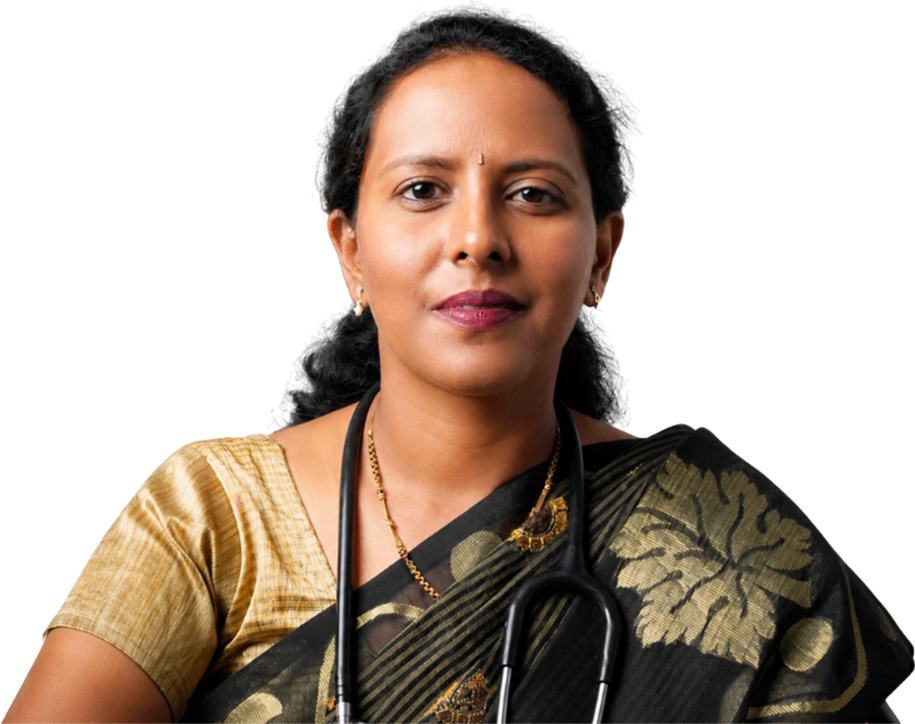
— Dr. Neha Madurwar Verma, Consultant Gynaecologist & Obstetrician, Dr. Verma Multi-Speciality Hospital, Nagpur
Types of C-Section Surgery
1. Lower Segment Caesarean Section (LSCS)
This is the most common type, where a horizontal incision is made across the lower part of the uterus (near the bikini line). Benefits include:
- Faster healing and less blood loss
- Lower risk of uterine rupture in future pregnancies
- Less visible scarring
2. Classical (Vertical) C-Section
A vertical incision on the upper portion of the uterus. This is rarely performed today and is reserved for specific emergencies, such as very premature babies or abnormal placental positioning.
3. Planned (Elective) vs. Emergency C-Section
- Planned: Scheduled in advance (usually at 38–39 weeks) when a known medical condition makes vaginal birth unsafe.
- Emergency: Performed urgently when complications arise during labour, such as sudden fetal distress or cord prolapse.
What Happens During a C-Section? Step-by-Step
- Anaesthesia: Spinal or epidural anaesthesia numbs the lower body (you remain awake). General anaesthesia is used only in urgent situations.
- Incision: A horizontal incision (10–15 cm) is made just above the pubic line through the skin, fat layer, and abdominal muscles.
- Uterine Opening: The uterus is carefully opened and the amniotic fluid is drained.
- Baby Delivery: The baby is gently lifted out, usually within 5–10 minutes of the first incision.
- Cord Clamping & Placenta: The umbilical cord is clamped and cut, and the placenta is removed.
- Closure: The uterus and abdominal layers are stitched closed, typically with dissolvable sutures. Total surgery time is 45–60 minutes.
C-Section Recovery: Week-by-Week Timeline
Week 1–2
- Bed rest with gentle short walks
- Pain managed with prescribed medications
- Wound dressing and monitoring
- Begin breastfeeding with nurse support
- Avoid lifting anything heavier than your baby
Week 3–4
- Gradually increase walking distance
- Incision tenderness reduces significantly
- Avoid driving, stairs, and strenuous activity
- Continue high-protein, iron-rich diet
Week 5–6+
- Follow-up visit with gynaecologist for clearance
- Most daily activities can resume
- Light exercise (walking, stretching) may begin
- Full recovery by 8–10 weeks for most women
Diet After C-Section: What to Eat for Faster Healing
A balanced, nutrient-dense diet is critical for wound healing, energy recovery, milk production, and preventing post-surgical constipation.
Foods to Include
- Protein-Rich Foods: Moong dal, masoor dal, paneer, curd, eggs, lean chicken — essential for tissue repair and wound healing.
- Iron-Rich Foods: Spinach (palak), fenugreek (methi), beetroot, pomegranate, dates — replenishes blood lost during surgery.
- Fibre-Rich Foods: Whole wheat roti, oats, ragi, papaya, prunes — prevents constipation (very common after C-section).
- Calcium Sources: Milk, curd, ragi, sesame seeds (til) — critical for bone health and breastfeeding mothers.
- Vitamin C Foods: Oranges, amla, tomatoes, guava — boosts collagen production for incision healing.
- Hydration: Drink 8–10 glasses of water daily, along with buttermilk, coconut water, and soups.
Foods to Avoid Initially
- Spicy and oily foods (may cause gas and bloating)
- Carbonated drinks and caffeinated beverages
- Processed and packaged junk food
- Raw or uncooked foods (infection risk in the first few weeks)
C-Section Delivery Cost in Nagpur
The cost of a C-section delivery in Nagpur typically ranges from ₹35,000 to ₹1,20,000+ depending on the hospital, room category, and medical complexity. Key factors influencing cost include:
- Hospital type: Multi-speciality hospitals may charge more but offer comprehensive NICU and emergency backup.
- Room category: General ward vs. private room vs. suite.
- Medical complexity: High-risk pregnancies, NICU stays, or extended hospitalisation increase costs.
- Insurance coverage: Many hospitals in Nagpur accept cashless insurance for maternity.
At Dr. Verma Multi-Speciality Hospital, we offer transparent, all-inclusive delivery packages with no hidden charges. Contact us for a detailed cost estimate based on your specific needs.
Why Choose Dr. Verma Multi-Speciality Hospital for C-Section in Nagpur?
🏥 Fully Equipped OT & NICU
Modern operation theatre with 24/7 readiness for both planned and emergency C-sections, backed by dedicated neonatal intensive care.
👩⚕️ Expert Gynaecologist
Dr. Neha Madurwar Verma (MBBS, MS, DNB, FMIS, Fellowship in Infertility — MUHS) brings years of expertise in high-risk obstetrics and surgical deliveries.
💊 Orthopaedic & Surgical Backup
Unique advantage: Dr. Amit Verma (MS Ortho, Fellowship in Arthroscopy & Spine) is available on-site for any musculoskeletal or surgical emergency during or after delivery.
📍 Convenient Nagpur Location
Located on Godhani Road, easily accessible from Zingabai Takli, Koradi Road, Mankapur, and surrounding areas. Ample parking available.
Frequently Asked Questions (FAQ)
Q1. Is a C-section safe?
Yes. A C-section is a well-established, safe surgical procedure when performed by a trained obstetrician in a properly equipped hospital. Like any surgery, it carries some risks (infection, bleeding), but complications are rare with proper pre-operative assessment and post-operative care.
Q2. How long does it take to recover from a C-section?
Most women begin feeling significantly better within 2–3 weeks. Full recovery typically takes 6 to 8 weeks. Your doctor will schedule a follow-up visit at 6 weeks to ensure complete healing.
Q3. Can I have a normal delivery after a previous C-section?
Yes, Vaginal Birth After Caesarean (VBAC) is possible for many women, depending on the type of previous uterine incision, the reason for the earlier C-section, and the current pregnancy conditions. Discuss VBAC options with your gynaecologist early in pregnancy.
Q4. How many C-sections can a woman have?
Most obstetricians consider up to 3 C-sections reasonably safe, though each subsequent surgery carries incrementally higher risk of complications such as adhesions and placenta accreta. Your doctor will evaluate your individual history.
Q5. When can I start breastfeeding after a C-section?
Breastfeeding can usually begin within 1–2 hours after surgery, once the anaesthesia wears off sufficiently. Our nursing team provides hands-on lactation support to help mothers initiate breastfeeding comfortably.
Q6. What is the best hospital for C-section in Nagpur?
When choosing a hospital for C-section in Nagpur, look for facilities with a 24/7 operation theatre, on-site NICU, experienced obstetricians, and transparent pricing. Dr. Verma Multi-Speciality Hospital on Godhani Road meets all these criteria with an added advantage of multi-speciality surgical backup.